


Jewish life in the old German-Polish borderland. What do we remember today?
Lecture and discussion on the planned museum of Jewish history in Międzyrzecz (Meseritz)
After around 90 years, Jewish music can once again be heard in the synagogue in Międzyrzecz - albeit not that of the last German Jews here, but klezmer music. In May 2025, the synagogue is no longer a warehouse or shop, but once again a place of encounter and Jewish culture.
The area of western Poland bordering Brandenburg is the eastern end of the former Prussian province and Margraviate of Brandenburg. In Międzyrzecz in particular, it is also the area of the historical Polish-Brandenburg borderland, which was characterised by border migration and cultural exchange - not only between Germans and Poles, but also between Jews, Scots and Dutch - from the Middle Ages until it was completely taken over by Prussia at the end of the 18th century. After 1945, Lemkos who had been expelled from their villages in south-east Poland as part of ‘Aktion Weichsel’ settled here alongside Poles from various parts of the country.
What role does the material culture of German Jews in this region play today? Who takes care of the traces, the cemeteries and the memory, and why? How do we deal with memory? How do we tell a story that has not yet been written? How can this be done in the Polish-German-Jewish and European dialogue?
Date: 9 July 2025, 5-7 pm
Location: Logensaal of the European University Viadrina
Lecture and discussion
- Andrzej Kirmiel, Museum of the Meseritz Land in Międzyrzecz
- Magdalena Abraham-Diefenbach, European University Viadrina / Institute for Applied History and Science in Dialogue e. V.
- Zuzanna Światowy, Research Centre for Jewish Architecture in Europe, Braunschweig
- N.N.
Moderation
- Robert Parzer, German-Polish House
- Susanne Orth, Viadrina Centre of Polish and Ukrainian Studies
Translation by
- Grzegorz Załoga
Organiser
- German-Polish House
- Institute for Applied History - Society and Science in Dialogue e.V.
- Viadrina Centre of Polish and Ukrainian Studies
Supported by the Brandenburg State Centre for Political Education.
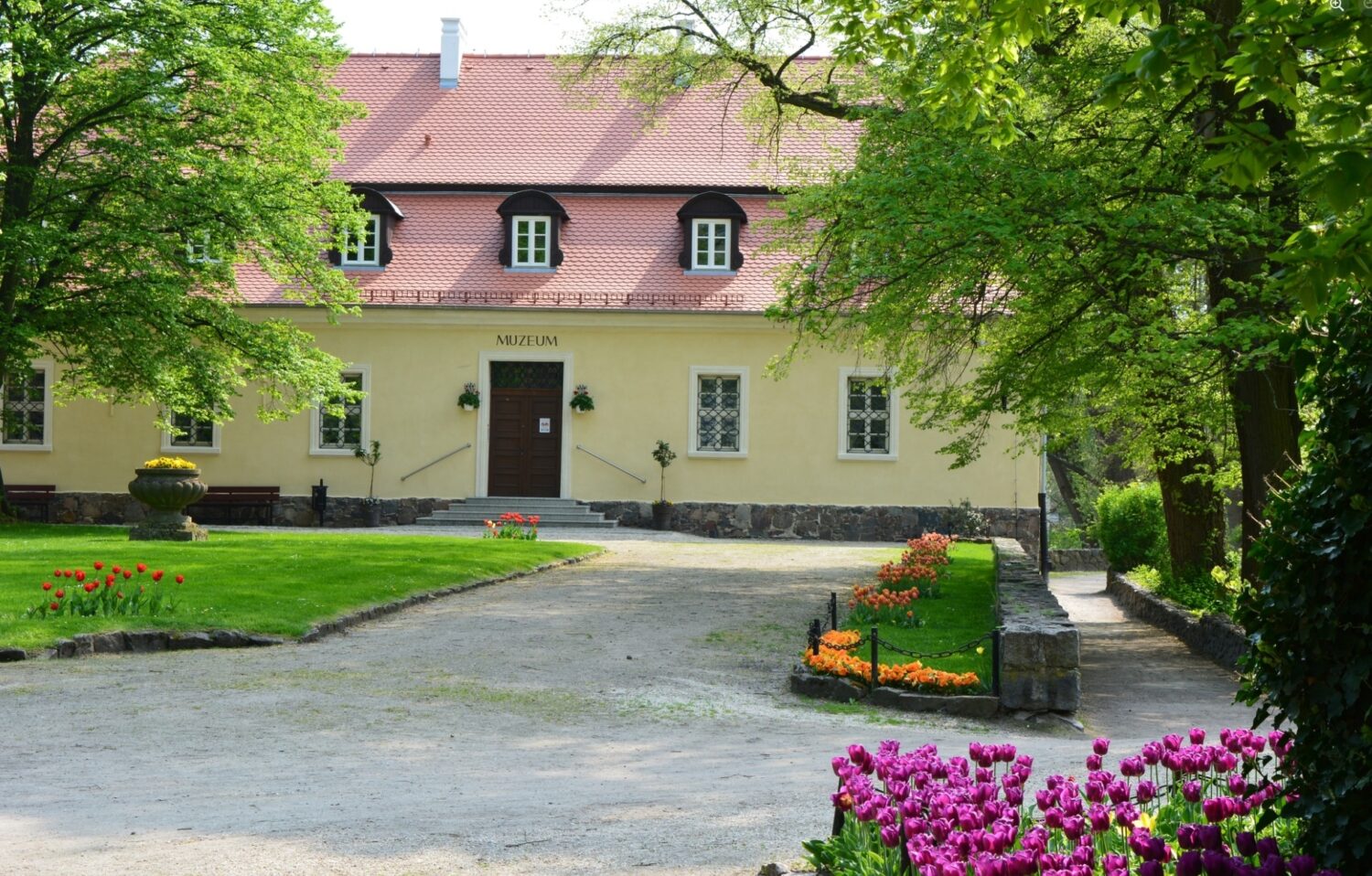
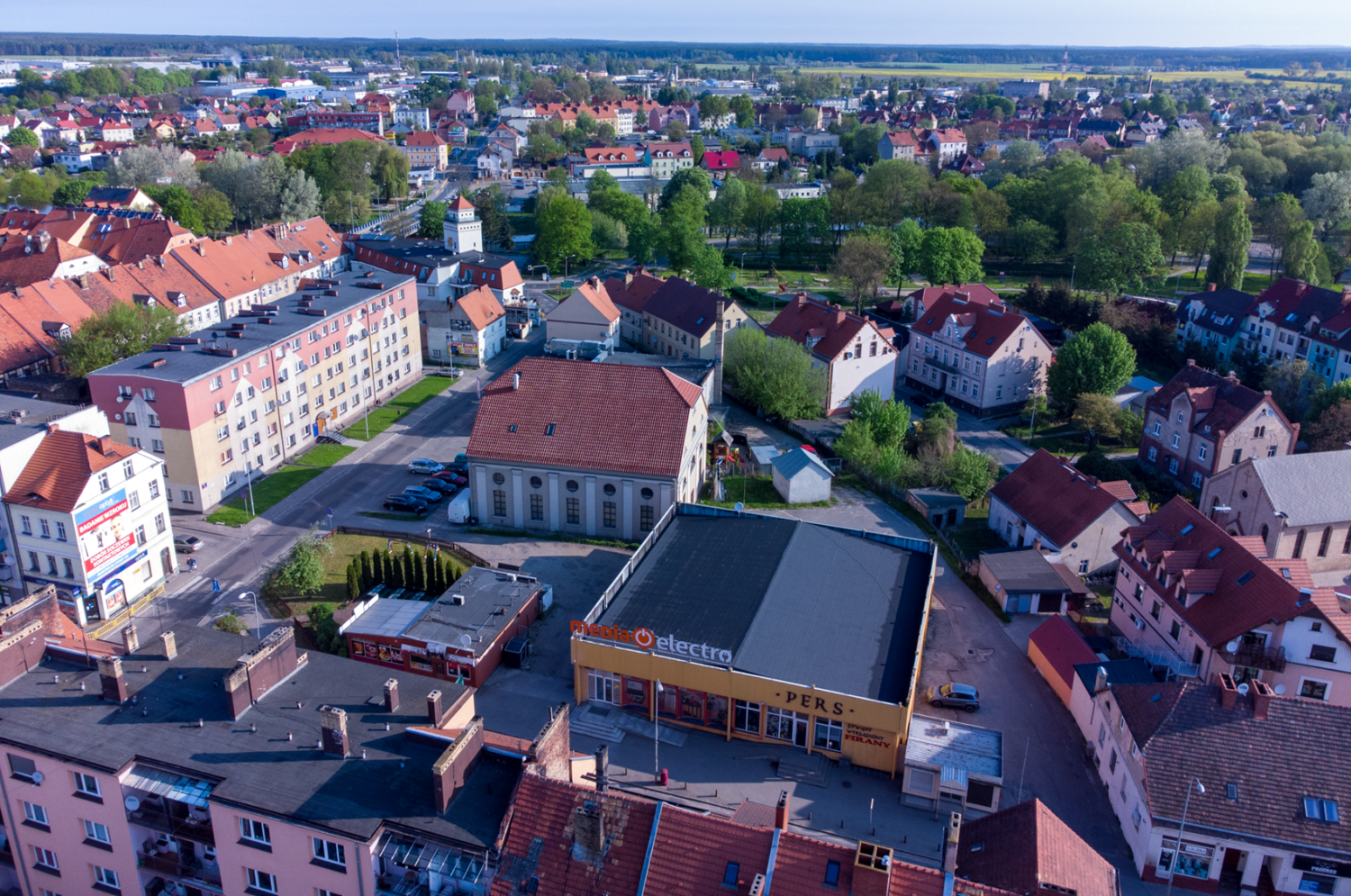
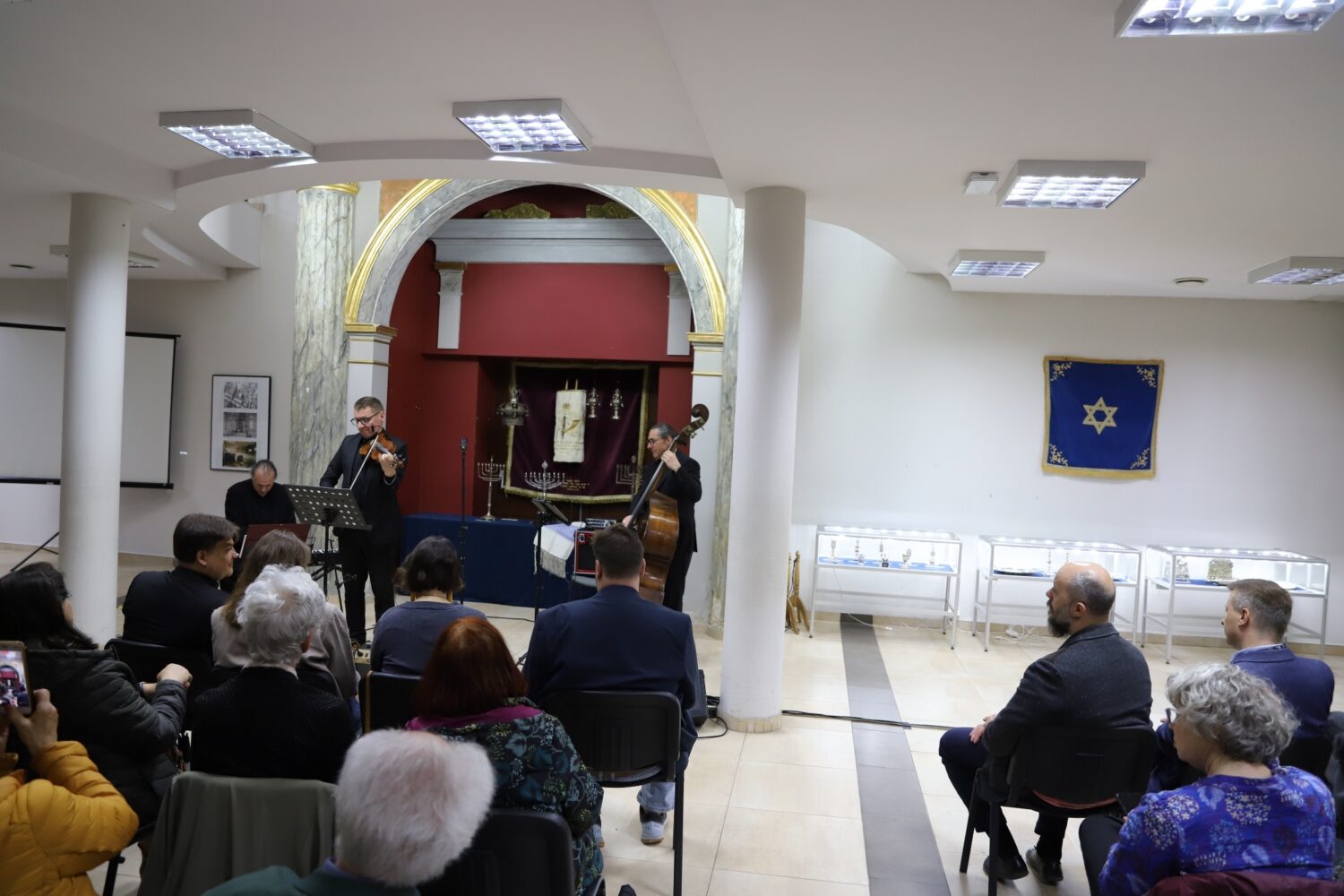
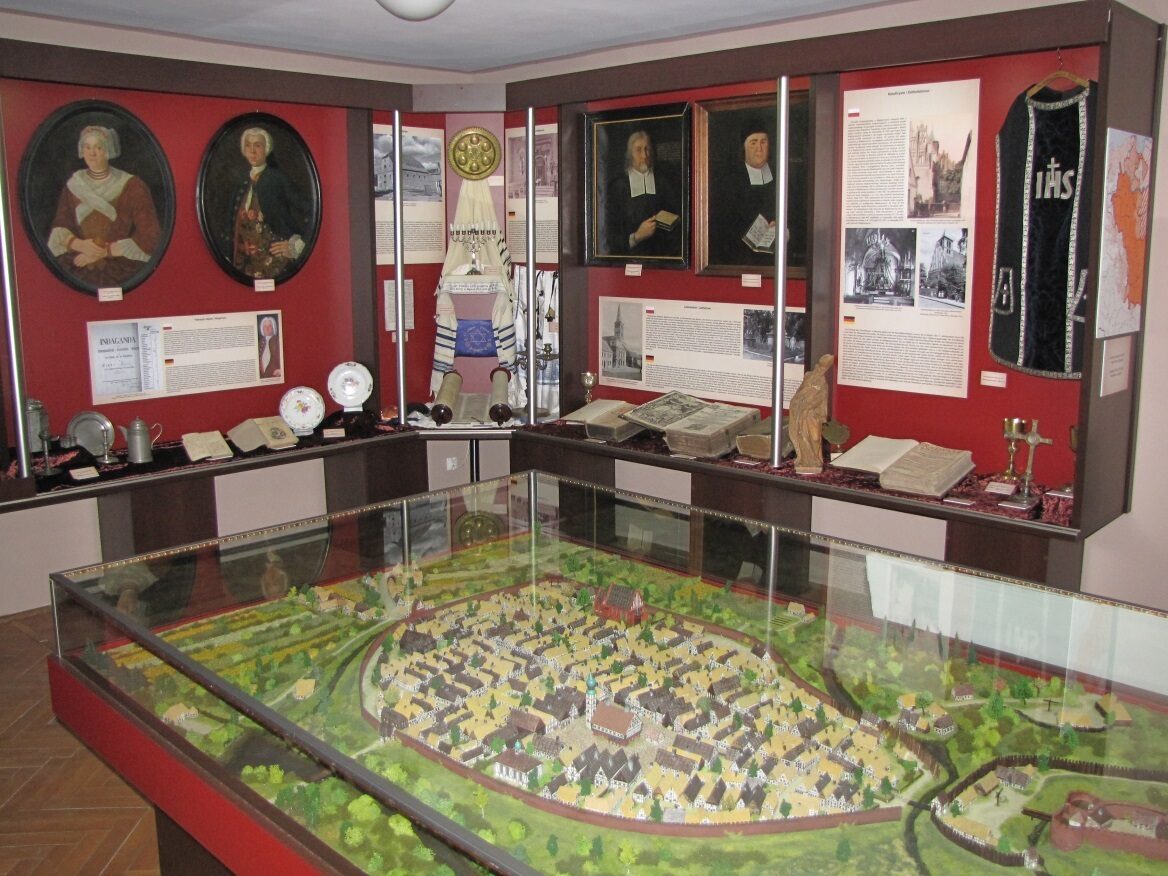
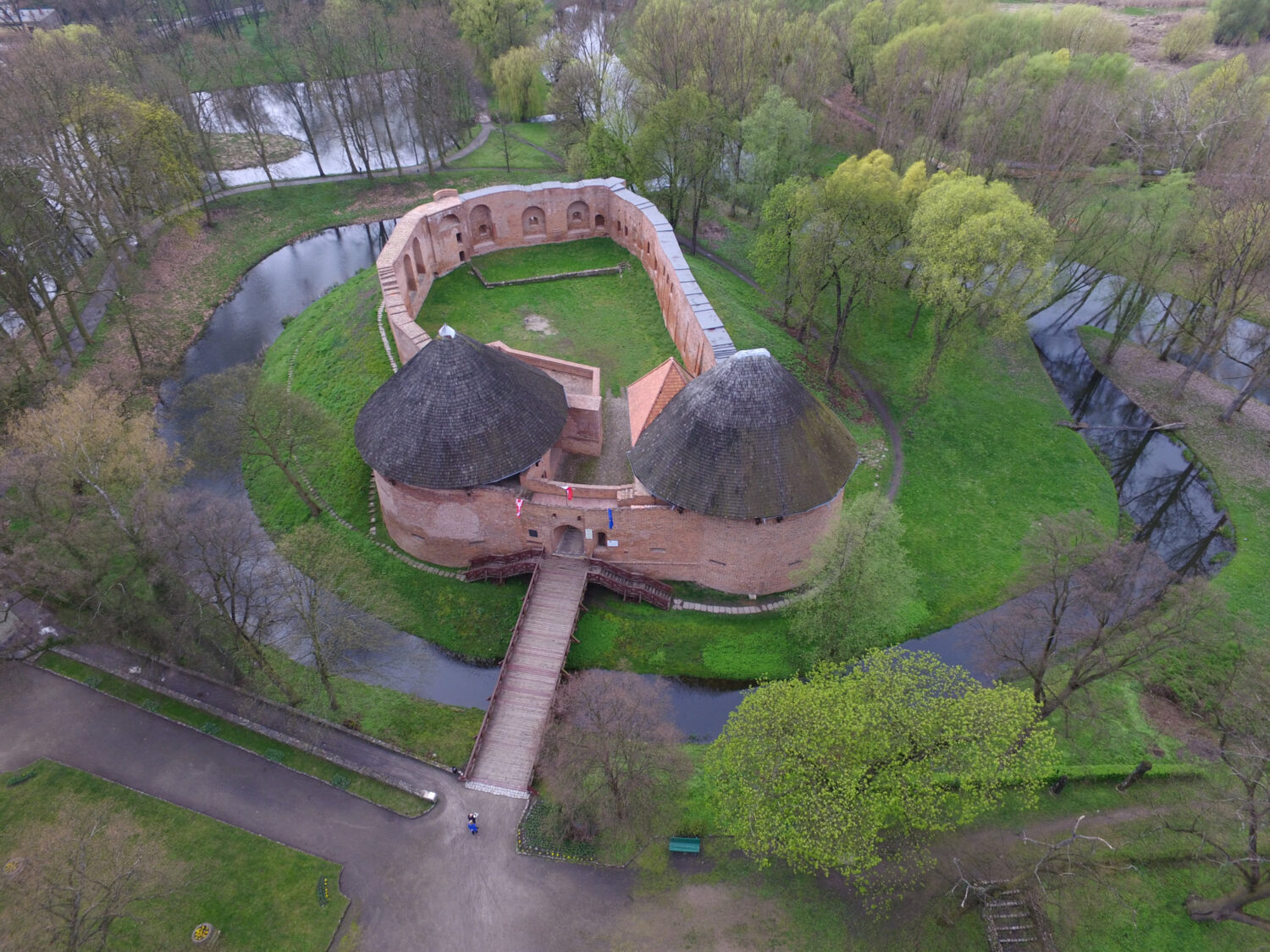
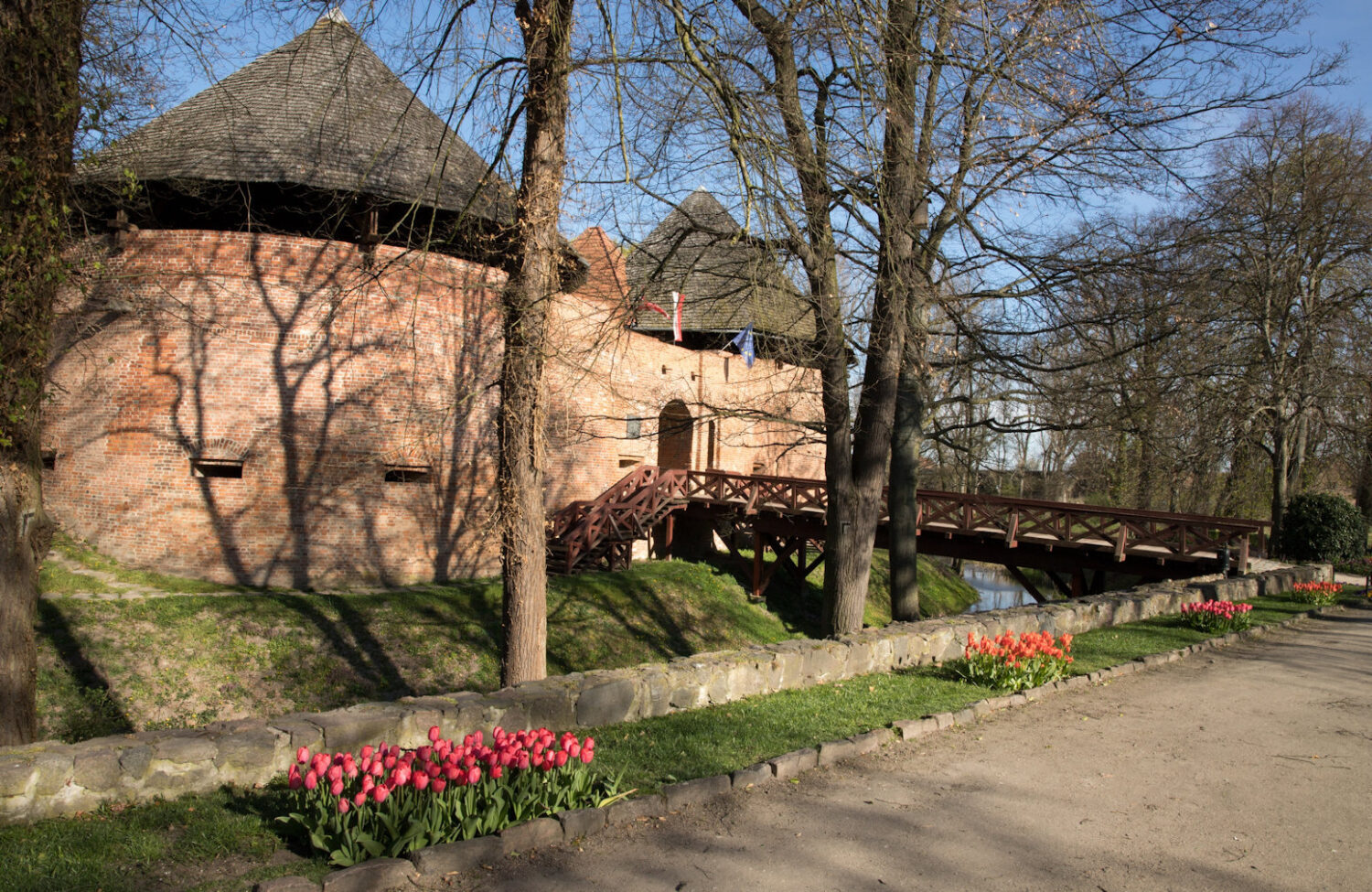
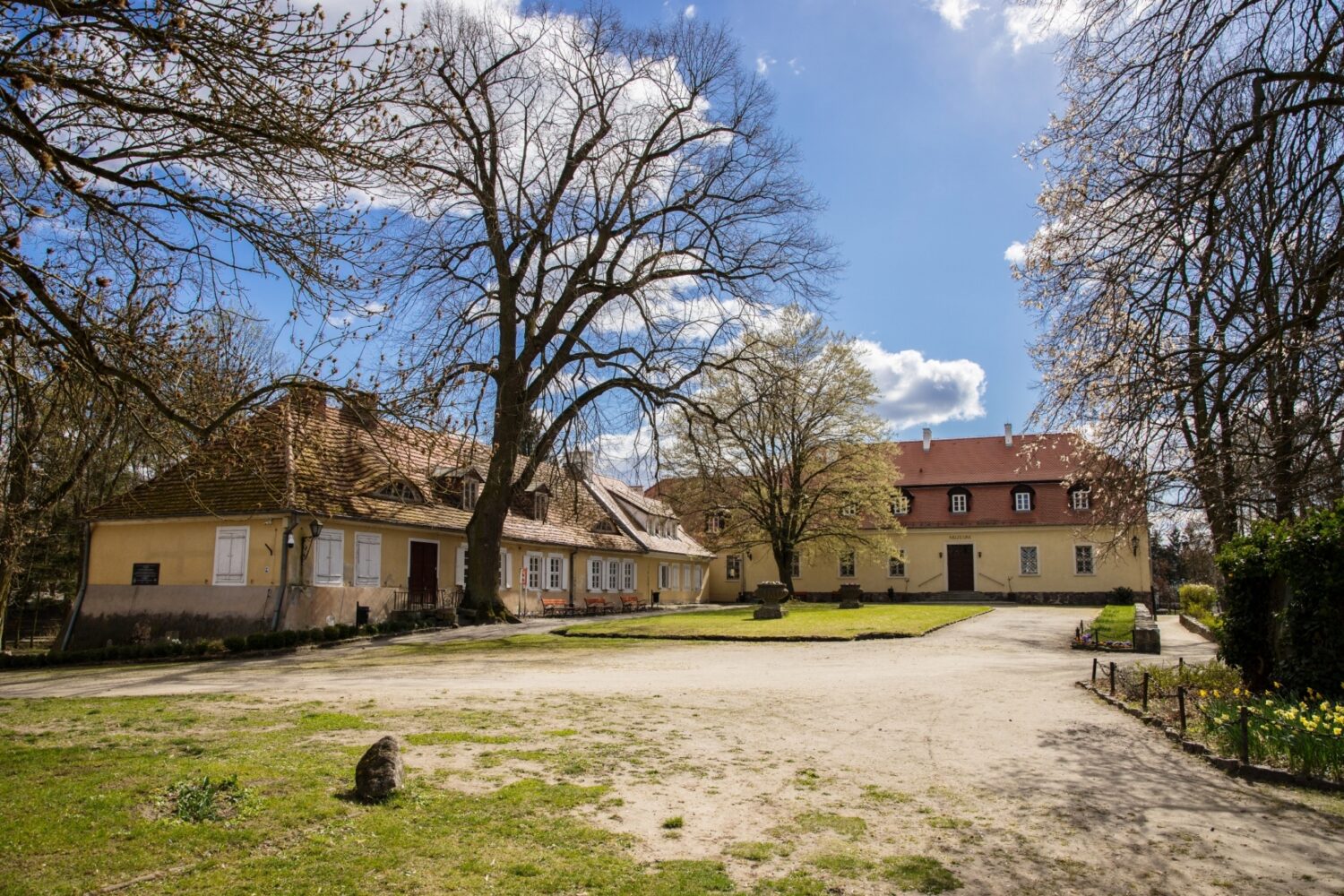
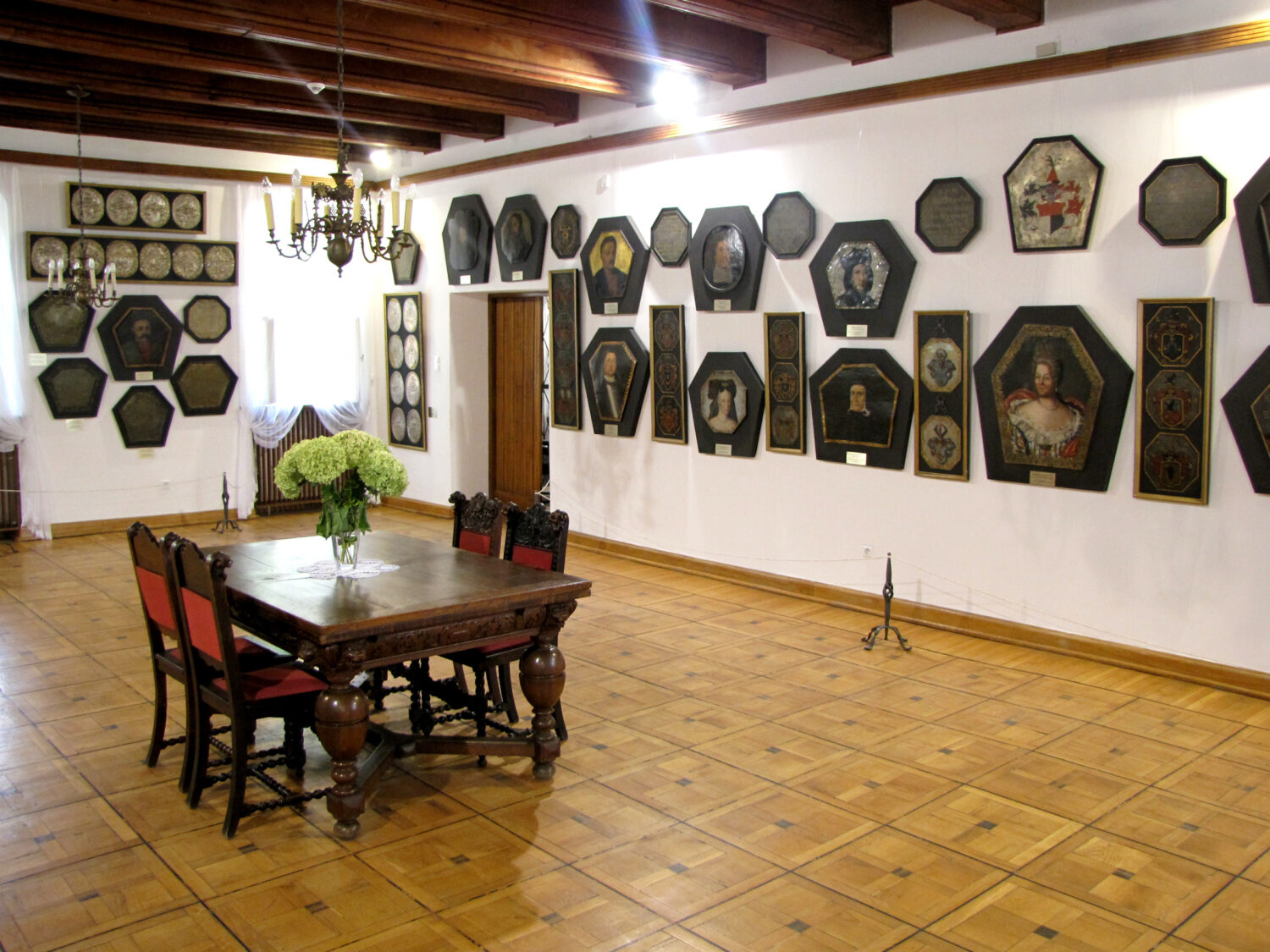
© Muzeum Ziemi Międzyrzeckiej im. Alfa Kowalskiego
Andrzej Kirmiel is a historian and has been Director of the Museum of Międzyrzecz since 2010. He studied at the Jagiellonian University and the Pedagogical Academy in Krakow. He is the author of numerous articles and publications on regional history and German-Polish-Jewish history. He wrote the first comprehensive history of the Jews in Międzyrzecz based on the activities of the Jewish communities of the then Meseritzer Starostwo. Before devoting himself to the museum, he worked as a history teacher in Skwierzyn and Zielona Góra. He is the founder and chairman of the Lubuska Fundacja Judaica in Zielona Góra and the Towarzystwa Przyjaźni Polsko-Niemieckiej Skwierzyna-Paderborn. Andrzej Kirmiel is particularly interested in the regional history of Lubuskie, art history and the area of conflict between religion and nationality, primarily in relation to German-Polish and Polish-Jewish relations. Between 2008 and 2010, he participated in the “Wirtualny Sztet!” project with the Muzeum Historii Żydów Polskich in Warsaw. He was also involved in the creation of a traveling exhibition entitled “Z biegiem rzeki. Dzieje Żydów nad Odrą”.

© Muzeum Ziemi Międzyrzeckiej im. Alfa Kowalskiego
Dr. Magdalena Abraham-Diefenbach is a historian and cultural researcher at the European University Viadrina. She has been Chair of the Board of the Institute for Applied History since 2014. Her research focuses on the German-Polish-Jewish culture of remembrance, cultural heritage research and the history of the German-Polish border region in the 20th and 21st centuries. Dr. Abraham-Diefenbach is also interested in the long-term consequences of border shifts and (forced) migrations, the culture of remembrance in relation to the Second World War in its local and regional manifestations, as well as the material cultural heritage of German Jews in Poland and how it has been dealt with since 1945 to the present day. In 2016, she published the book Palaces and Barracks. Kino in den geteilten Städten an der Oder und Lausitzer Neiße 1945-1989. In 2024, she also wrote an article entitled The Synagogue in Międzyrzecz. A History of the Various Attempts to Protect the Monument and 2025 Die Kennzeichnung jüdischer Friedhöfe in Polen. Centralised and local memory practices. You can find more information here.

© Heide Fest
Zuzanna Światowy, doctoral student, studied Hebrew Philology at the Adam Mickiewicz University in Poznań and Architecture at the Poznań University of Technology. She is a research assistant at the Bet Tfila - Research Center for Jewish Architecture in Europe at the Technical University of Braunschweig. Her research interest and the central topic of her dissertation is the study of synagogue architecture in the Wielkopolska-Region in Poland.

The event is a joint project of the German-Polish House, the Viadrina Center of Polish and Ukrainian Studies and the Institute for Applied History - Society and Science in Dialogue. It is sponsored by the Brandenburgische Landeszentrale für politische Bildung.


